Voices to hear first
Amália Rodrigues and the voices of fado
The singers who shaped fado, from Maria Severa to Amália Rodrigues and Mariza, and why Amália is the name every fado room still invokes.
Reserve a place for the fado hour ↗Quick answer
Amália Rodrigues (1920–1999), called the Queen of Fado, did more than anyone to take the music abroad. Before her came Maria Severa, the nineteenth-century singer of legend. After her came Carlos do Carmo, Mariza, Ana Moura and Camané, so a short listening list covers a century and a half of the music, from tavern legend to world-stage star.
Amália, the Queen of Fado
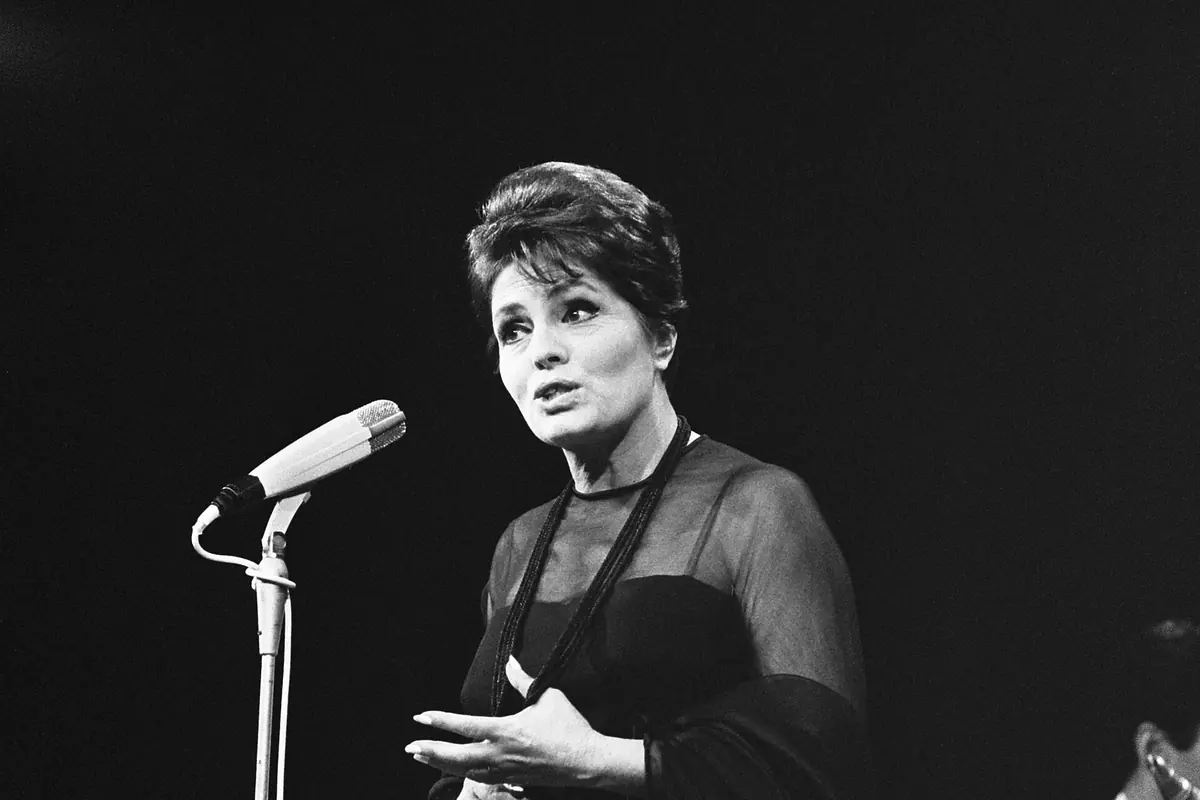
Amália da Piedade Rodrigues was born in 1920 and died in 1999. Wikipedia calls her Rainha do Fado, the Queen of Fado, a key figure in spreading fado worldwide, and ranks her as Portugal's best-selling recording artist of all time. She grew up in poverty and sold fruit on Lisbon's quays. The Museu do Fado says that, for decades, until her death, she was fado's national and international star, and that she made fado a national culture icon.
How she started
According to Wikipedia, Amália started singing around 1935, and her first professional engagement in a fado venue came in 1939. She became famous in Portugal by the early 1940s and acted in the film Fado in 1947. The composer Frederico Valério wrote melodies for her, and later Alain Oulman became her main songwriter and producer, from her 1962 album. Oulman wrote melodies to poems by leading writers, which is why her records sound more literary than much earlier fado.
Poets in fado
The Museu do Fado says fado's first lyrics were mostly anonymous and passed on orally, and that popular poets began to write for it in the mid-1920s. In the 1950s fado crossed paths with erudite poetry in Amália's voice. After Oulman's contribution, it began setting texts of poets with academic education, including David Mourão-Ferreira and Pedro Homem de Mello. The Museu do Fado's Fado Gesture page lists Com que voz, a song she recorded to a poem by Luís de Camões with music by Oulman, and Wikipedia notes that its line plays on the double meaning of fado.
Maria Severa, the first legend
Before recordings there was Maria Severa Onofriana (1820–1846). Wikipedia calls her the first fado singer to rise to fame, and she died at 26. The Museu do Fado notes that her love affair with Count Vimioso turned into one of the great myths in fado's history, retold in a novel, a play and in 1931 the first Portuguese sound film. Her name still stands for fado's roots in Lisbon's taverns and bohemian circles.
Other names to know
Wikipedia lists famous fado singers including Alfredo Marceneiro, Carlos do Carmo, Mariza, Ana Moura, António Zambujo and Camané. The Museu do Fado adds that in the 1990s Mísia and Cristina Branco took fado into world-music circuits, that Camané emerged in the same decade, and that a new generation of talented singers appeared around the turn of the century, among them Katia Guerreiro and Ana Moura. If you want a starting list, pick one recording from each era and compare how the voice carries the same tradition.
Read next: What is fado? A short history
Mariza and the new generation
Mariza has been the best-known international voice of the current generation. The Museu do Fado says she won an absolute protagonism on the international circuit, winning successive world-music prizes. Wikipedia adds that she and Carlos do Carmo were ambassadors for the 2009 initiative that led to fado's addition to UNESCO's lists in 2011. UNESCO's entry names both the concert circuit and the small fado house as homes for the music.
How to use the list
A fado show is not a recital of famous songs, and the singers at any given session will choose their own programme. But knowing Amália, Severa and the singers who followed gives you a way to hear what is being passed on. Listen to one old recording, one modern one, and then the live voice. The differences in phrasing show how personal the form is. The Museu do Fado has a digital sound archive of recordings dating back to the early twentieth century, which you can browse by performer.
Read next: Fado show in Lisbon: which to book
Who this isn't for
This guide is a short orientation, not a discography. If you only want an hour of music in Alfama, you can skip the homework and let the host set the scene. If you want a complete biography of Amália, the Amália Rodrigues Foundation looks after her legacy, as Wikipedia notes, and the Museu do Fado has a long record of fado singers.
Frequently asked questions
Who is the most famous fado singer?
Amália Rodrigues (1920–1999), known as the Queen of Fado. Wikipedia ranks her as Portugal's best-selling recording artist of all time.
Who was Maria Severa?
A singer from Lisbon (1820–1846), regarded as the first fado singer to rise to fame. Her story became a novel, a play and the first Portuguese sound film in 1931.
Where can I hear old fado recordings?
The Museu do Fado has a digital sound archive with thousands of recordings from the early twentieth century, browsable by performer or repertoire.
Sources